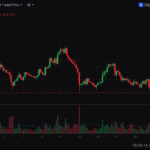
Market corrections are a normal part of how financial markets function. While sudden pullbacks often trigger fear among investors, corrections play an important role in resetting valuations, managing risk, and sustaining long-term trends in both stock and crypto markets.
Understanding what a market correction is — and why it happens — helps investors distinguish between healthy pullbacks and deeper structural problems.
What Is a Market Correction?
A market correction is typically defined as a price decline of 10% to 20% from a recent high. Corrections can occur across individual assets, sectors, or entire markets.
Key characteristics of a correction:
- Short-to-medium duration
- Often driven by sentiment shifts rather than systemic failure
- Can occur within an overall uptrend
Corrections differ from market crashes, which usually involve deeper losses, forced selling, and long-lasting economic stress.
Why Do Market Corrections Happen?
Corrections rarely have a single cause. Instead, they emerge when multiple factors align.
Profit-Taking After Strong Rallies
After extended price increases, investors lock in gains. When enough participants sell simultaneously, prices pull back even without negative news.
Changes in Interest Rate Expectations
In stocks and crypto alike, higher interest rate expectations reduce risk appetite. Shifts in monetary policy outlook often trigger corrections across risk assets.
Valuation Resets
Markets periodically correct when prices move ahead of fundamentals. Corrections help realign valuations with earnings, growth, or network activity.
Liquidity Tightening
Lower liquidity amplifies price movements. Reduced capital flows can turn small sell-offs into broader corrections.
Macro or Geopolitical Uncertainty
Economic data surprises, geopolitical tensions, or regulatory developments often act as catalysts for pullbacks.
Market Corrections in Stocks vs Crypto
While the mechanics are similar, crypto markets typically experience faster and sharper corrections.
Stocks:
- Slower price adjustments
- Stronger institutional stabilization
- Often tied to earnings cycles and economic data
Crypto:
- Higher volatility
- Greater sensitivity to sentiment
- More frequent but shorter corrections
Despite these differences, corrections in both markets serve the same purpose: risk recalibration.
Are Corrections a Bad Thing?
Not necessarily. Corrections often:
- Remove excess leverage
- Reduce speculative excess
- Create healthier price structures
- Offer better long-term entry points
Markets that never correct tend to build instability, increasing the risk of sharper breakdowns later.
How Investors Typically React
Investor behavior during corrections usually falls into three categories:
- Panic selling driven by fear
- Defensive positioning through cash or hedging
- Opportunistic accumulation by long-term participants
Understanding where a correction fits within the broader market cycle helps guide rational decision-making.
What to Watch During a Correction
Investors often monitor:
- Trading volume trends
- Breadth indicators
- Key support levels
- Macro data and central bank signals
- Liquidity conditions
These signals help determine whether a pullback is stabilizing or deepening.
Market Corrections as Part of the Cycle
Corrections are not market failures. They are part of the natural rhythm of financial systems. In both stocks and crypto, pullbacks help markets digest gains, reassess risk, and prepare for future movement.
For disciplined investors, understanding corrections reduces emotional decision-making and improves long-term outcomes.