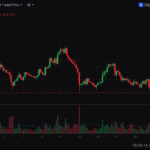
A bull trap occurs when price breaks above a resistance level, attracts buyers expecting further upside — and then suddenly reverses lower.
These false breakouts can lead to rapid losses for traders who enter too late or without confirmation. Bull traps appear in both stock and crypto markets and are especially common during volatile or low-liquidity conditions.
Understanding bull traps helps investors avoid emotional entries and recognize when momentum lacks real strength.
What Is a Bull Trap?
A bull trap is a failed breakout to the upside.
Price moves above a clear resistance level, triggering:
- Breakout traders
- Stop-loss orders from short sellers
- Momentum-based buying
However, instead of continuing higher, price quickly reverses and falls back below the breakout level.
Traders who entered on the breakout become “trapped” in losing positions — hence the name bull trap.
Why Bull Traps Happen
Bull traps often form due to market mechanics rather than randomness.
1. Liquidity Grab
Large participants may push price above resistance to:
- Trigger stop-loss orders
- Access concentrated liquidity
- Fill large sell orders
Once liquidity is absorbed, price reverses.
2. Low Volume Breakouts
Breakouts without strong volume often lack follow-through.
If participation is weak, buyers cannot sustain upward pressure.
3. Overextended Conditions
When markets are already stretched, breakout attempts may exhaust remaining buyers.
This leaves price vulnerable to reversal.
4. Emotional Trading
Retail traders often chase visible resistance breaks.
When many traders enter at the same level, the move can quickly reverse if supply appears.
How to Recognize a Potential Bull Trap
While no signal is perfect, warning signs include:
- Breakout occurs with weak or declining volume
- Immediate rejection after breakout
- Long upper wicks on candles
- Failure to hold above resistance
- Divergence in momentum indicators
The faster price returns below resistance, the stronger the trap signal.
Bull Traps in Stocks vs Crypto
Bull traps occur in both markets, but their behavior differs.
Stocks
- Often triggered around earnings or macro news
- Influenced by institutional positioning
- More structured trading sessions
Crypto
- Occur 24/7
- Often amplified by leverage
- Faster reversals due to thinner liquidity
In crypto markets, liquidations can accelerate bull trap reversals dramatically.
The Psychology Behind a Bull Trap
Bull traps exploit optimism.
When traders see a breakout:
- Fear of missing out increases
- Momentum traders enter
- Short sellers cover
If price then reverses, panic selling begins, adding fuel to the downside move.
This emotional cycle turns optimism into forced selling.
How Traders Manage Bull Trap Risk
Experienced traders often:
- Wait for a confirmed close above resistance
- Look for volume expansion
- Avoid chasing extended moves
- Use stop-loss levels below structure
- Combine breakout signals with market structure analysis
Patience reduces exposure to false breakouts.
Bull Trap vs Genuine Breakout
The key difference lies in follow-through.
A real breakout typically shows:
- Strong volume
- Continuation candles
- Retest of resistance as new support
- Sustained higher highs
A bull trap lacks these confirmations.
Final Thoughts
A bull trap is not simply a failed breakout — it is a structural event driven by liquidity, psychology, and positioning.
In both stocks and crypto, false breakouts remind traders that price movement alone is not confirmation.
Understanding bull traps improves risk management, reduces emotional entries, and helps traders recognize when a breakout lacks real market participation.
Markets do not move because resistance was broken.
They move when participation supports the move.