Articles
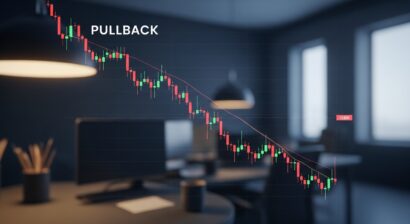
What Is a Market Correction? Why Pullbacks Happen in Stocks and Crypto
A market correction is a temporary pullback that helps prices reset after strong moves. Understanding why corrections happen in stocks and crypto allows investors to manage risk, avoid panic decisions, and recognize healthy market behavior.
What Is Market Volatility? Why Prices Move So Fast in Stocks and Crypto
Market volatility explains why prices can rise or fall sharply in a short time. Driven by uncertainty, liquidity, and changing expectations, volatility plays a key role in how both stock and crypto markets react to news, risk, and investor positioning.
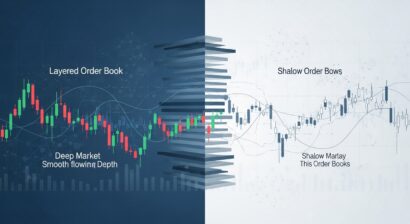
What Is Market Liquidity? Why It Matters for Stocks and Crypto
Market liquidity determines how easily assets can be bought or sold without significantly moving prices. In both stock and crypto markets, liquidity affects execution quality, volatility, and risk — often playing a bigger role than price itself in real trading conditions.
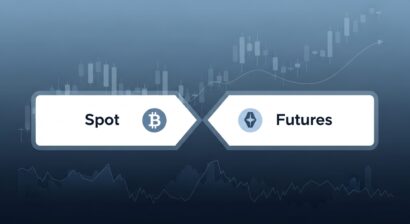
What Is Crypto Trading? Spot vs Futures Explained Simply
Crypto trading can be simple — or extremely risky. This guide explains the real difference between spot and futures trading, without hype or jargon.

Best Crypto Wallet for Beginners: How to Choose a Safe Wallet in 2026
Choosing your first crypto wallet in 2026 is about more than convenience — it’s about security and control. With more users moving toward self-custody, beginners must understand the differences between custodial and non-custodial wallets, hot and cold storage, and the key security features that protect funds. A well-chosen wallet helps new users avoid common mistakes and build safe habits as they enter the crypto ecosystem.

What Is Insider Trading? How It Impacts Financial and Crypto Markets
Insider trading refers to buying or selling assets based on material, non-public information. While tightly regulated in traditional finance, insider activity in crypto markets remains a gray area. This article explores how insider trading works, why it matters, and how it impacts both financial and digital asset markets.
NYSE 24/7 Trading: Is Round-the-Clock Stock Trading Really Coming?
The idea of 24/7 stock trading is gaining traction as global investors demand continuous access to U.S. markets. While full round-the-clock trading on the NYSE is not yet a reality, expanding electronic sessions and off-hours activity signal a gradual shift toward a more continuous market structure.
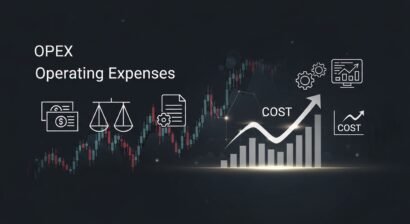
What Is OPEX in Trading? Why Operating Expenses Matter for Investors
Operating expenses (OPEX) play a critical but often underestimated role in trading and investing decisions. From salaries and marketing to R&D and infrastructure, OPEX directly impacts profitability, margins, and long-term growth potential. Understanding how operating expenses evolve — and what they signal about a company’s efficiency and strategy — helps investors make more informed decisions in both short-term trading and long-term portfolio construction.

Internet Computer (ICP): Why This Blockchain Aims to Replace Traditional Web Infrastructure
Internet Computer (ICP) is a blockchain designed to run entire web applications on-chain, without traditional servers or cloud providers. By hosting code, data, and logic directly on the blockchain, ICP aims to reshape how the internet is built and owned.
Why Is Crypto Up Today? What’s Driving the Market Move
Crypto is up today as improving macro conditions, Bitcoin-led momentum, and short liquidations push prices higher.
Institutional inflows and reduced selling pressure suggest the move is driven by structure, not hype.
OANDA: Why This Broker Remains Relevant for Forex and CFD Traders
OANDA remains a trusted choice for forex and CFD traders thanks to its strong regulation, transparent pricing, and reliable execution. In a market crowded with high-risk platforms, OANDA stands out by prioritizing data, risk control, and long-term trading stability over hype.

Premarket Trading: Why Stocks Move Before the Market Opens
Premarket trading reveals how investors react to news before the opening bell. From earnings reports to global market moves, early price action often sets the tone for the entire trading day—long before regular market hours begin.