As cryptocurrency adoption continues to grow in 2026, choosing the right crypto wallet has become one of the most important first steps for new users. A wallet is not just a storage tool — it is your gateway to managing assets, interacting with blockchains, and protecting your funds from loss or theft.
For beginners, the challenge is balancing simplicity, security, and control. This guide explains how crypto wallets work, what types are available, and how to choose a safe option in today’s market.
What Is a Crypto Wallet?
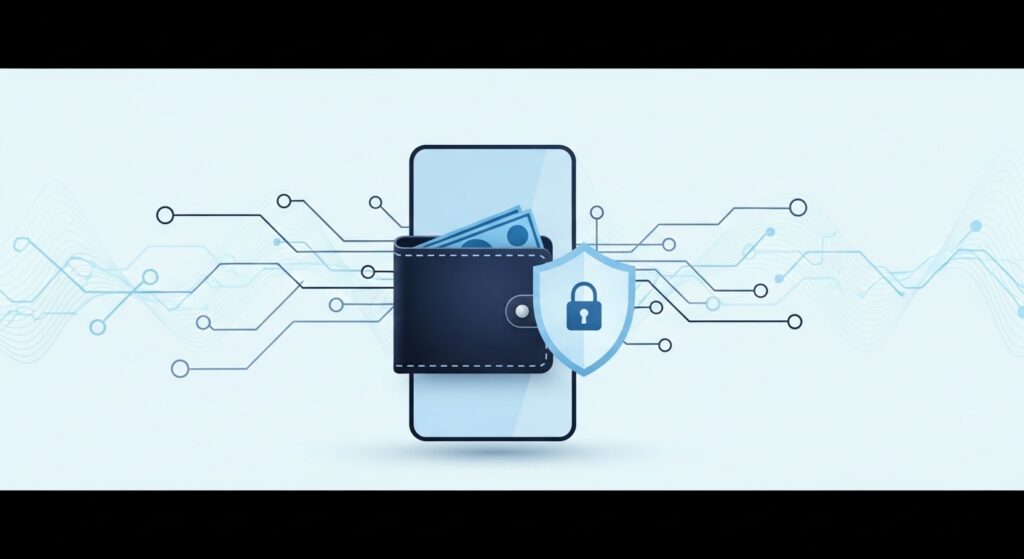
A crypto wallet is software or hardware that allows you to store and manage your private keys — the credentials that give you access to your cryptocurrency on the blockchain. Importantly, wallets do not store coins themselves; they store keys that prove ownership.
In 2026, wallets also act as:
- Identity tools for Web3 applications
- Access points to DeFi, NFTs, and on-chain services
- Security layers between users and decentralized networks
Custodial vs Non-Custodial Wallets
One of the first decisions beginners face is choosing between custodial and non-custodial wallets.
Custodial wallets
- Managed by exchanges or platforms
- Provider controls private keys
- Easier for beginners
- Higher counterparty risk
Examples include wallets integrated into exchanges like Binance or Coinbase.
Non-custodial wallets
- You control your private keys
- Greater security and ownership
- Requires more responsibility
Popular non-custodial options include MetaMask, Trust Wallet, and Phantom.
For 2026, non-custodial wallets are increasingly recommended, as users prioritize self-custody and platform independence.
Hot Wallets vs Cold Wallets
Another key distinction is how wallets connect to the internet.
Hot wallets
- Always online
- Mobile apps or browser extensions
- Convenient for daily use
Cold wallets
- Offline storage
- Hardware devices
- Highest security level
Well-known hardware wallets include Ledger and Trezor.
For beginners, a common approach is:
- Hot wallet for small balances and learning
- Cold wallet for long-term holdings
Key Security Features to Look for in 2026
When choosing a wallet, beginners should prioritize the following:
- Seed phrase control – You must own and securely store your recovery phrase
- Open-source code – Transparency reduces hidden risks
- Multi-chain support – Ethereum, Bitcoin, Layer 2s, and major altchains
- Biometric & device-level protection – Face ID, fingerprint, PIN
- Clear transaction previews – Helps prevent phishing and approval scams
Modern wallets in 2026 increasingly include built-in scam detection and contract warnings, which are critical for new users.
Ease of Use Matters More Than Features
A common beginner mistake is choosing a wallet with advanced features they don’t understand. A good beginner wallet should offer:
- Simple interface
- Clear balance and transaction history
- Easy backup and recovery steps
- Straightforward network switching
Wallets like Exodus focus heavily on user experience, making them popular entry points.
Common Beginner Mistakes to Avoid
- Storing seed phrases digitally or in cloud services
- Using wallets from unknown or unverified sources
- Blindly approving smart contract permissions
- Keeping all funds in one wallet
Education and cautious behavior remain the best security tools — even more than technology.
How Wallet Choice Reflects Market Maturity
In 2026, wallet adoption trends reflect a more mature crypto market. Users are shifting away from centralized custody and learning to manage assets independently. Wallets are no longer just tools — they are infrastructure.
For beginners, starting with a secure, well-supported wallet builds habits that scale as portfolios and on-chain activity grow.
Final Thoughts
The best crypto wallet for beginners in 2026 is not the most complex or feature-rich — it is the one that combines security, clarity, and control. Understanding how wallets work and choosing the right type early can prevent costly mistakes and provide confidence as you explore the broader crypto ecosystem.
Self-custody is no longer optional knowledge. It is becoming a foundational skill for anyone entering digital finance.