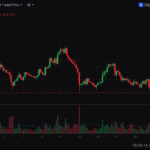
After a prolonged period of volatility and market pullbacks, one question dominates investor sentiment: when will the crypto market recover? While no one can time the exact bottom, historical data, macro indicators, and on-chain metrics provide valuable clues about where the market stands in the current cycle.
This article breaks down what the data actually says — separating emotion from evidence.
1. Crypto Recoveries Follow Liquidity, Not Hype
Historically, major crypto recoveries have aligned with global liquidity conditions, not narratives or social media sentiment.
Key drivers:
- Central bank policy (interest rates, QE/QT)
- Dollar liquidity (DXY trends)
- Risk appetite across equities and tech stocks
In previous cycles (2019–2020, 2023), sustained crypto uptrends began after liquidity conditions stopped tightening, not necessarily when rates were cut, but when markets priced in stabilization.
Takeaway:
Crypto rarely recovers during aggressive monetary tightening. Stabilization matters more than optimism.
2. Bitcoin Leads Every Recovery Phase
Despite the growth of altcoins and DeFi, Bitcoin remains the primary recovery signal for the entire crypto market.
Key observations:
- Bitcoin dominance typically rises near market bottoms
- Altcoin recoveries lag BTC by weeks or months
- Institutional flows almost always enter BTC first
Data shows that broad market recoveries begin only after Bitcoin establishes a higher low on higher timeframes.
Takeaway:
If Bitcoin is still range-bound or making lower highs, a full crypto recovery is unlikely.
3. On-Chain Metrics Suggest a Transition Phase
Several long-term on-chain indicators suggest the market may be entering a transition phase, not yet a full recovery:
- Long-term holders increasing accumulation
- Exchange balances trending lower
- Reduced sell pressure from older coins
- Lower realized losses compared to panic phases
However, speculative activity (new addresses, retail volume spikes) remains muted — typical of late-bear or early-accumulation stages.
Takeaway:
This resembles early recovery preparation, not late-stage bull euphoria.
4. Macro Correlation Still Matters
Crypto remains tightly correlated with:
- Nasdaq
- High-growth equities
- Risk-on sentiment
Periods when equities stabilize or grind higher often coincide with crypto bottoming processes. Conversely, sharp equity drawdowns have consistently delayed crypto recoveries.
Takeaway:
A sustainable crypto recovery without broader market stability is historically rare.
5. What “Recovery” Actually Looks Like in Data
A real recovery is not a single green candle. Historically, it includes:
- Higher highs and higher lows on weekly charts
- Rising spot volume (not leverage-driven pumps)
- Gradual return of retail interest
- Expanding on-chain activity, not just price
Most recoveries begin quietly — before headlines turn bullish.
6. Possible Scenarios Ahead
Scenario 1: Slow Grind Recovery
- Sideways price action
- Gradual accumulation
- Selective altcoin strength
- Most likely scenario historically
Scenario 2: Delayed Recovery
- Macro shock or renewed tightening
- Extended range or lower lows
- Capitulation later than expected
Scenario 3: Fast Recovery (Lower Probability)
- Sudden liquidity injection
- Risk-on shift across markets
- Historically rare, but possible
Final Thoughts
The data suggests the crypto market is closer to recovery than collapse, but not yet in a confirmed bull phase. Patience, risk management, and focusing on market structure rather than predictions remain critical.
Crypto recoveries are processes, not events — and those who wait for perfect clarity often arrive late.
Markets reward preparation, not certainty.